More than 6 million French people without a primary care physician: the Court of Auditors wants to impose a “minimal” threshold of patients on general practitioners.
In 2025, 6.3 million insured individuals did not have a primary care physician. To expand this system, which has existed for twenty years, the Court of Auditors proposes implementing new measures to compel general practitioners while improving their remuneration. The Court of Auditors warned that 11 million people, who should be followed by a primary care physician, did not consult one even once in the year, which is one in five people.
By Karim Maloum
Published on 1 October 2026
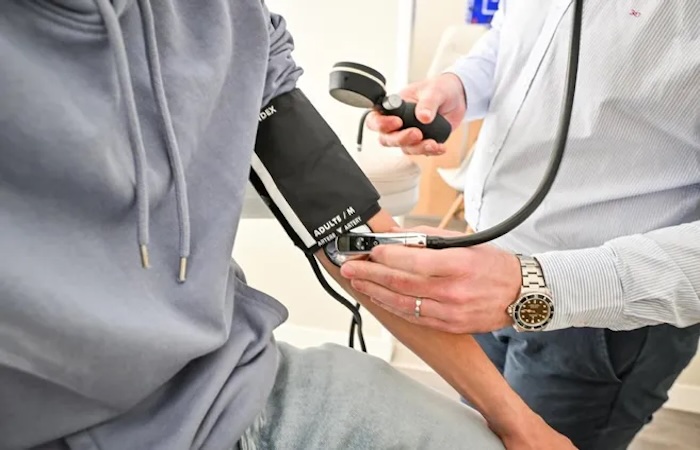
Behind this figure are patients struggling to get an appointment, areas lacking doctors, and emergency services that sometimes become the only solution.
The primary care physician, a concept introduced in 2004, is now described by the institution as “the gateway to the healthcare system.” “They ensure long-term follow-up, coordinate primary care, and refer to specialists and hospitals.” This system of Health Insurance is supposed to penalize individuals who do not follow this pathway by reimbursing only 30% of a consultation (compared to the usual 70%).
Things to discover
However, the report points out a “perfectible” system in a country facing an aging population and in a context of seeking savings for the branch through prevention and the relevance of care, regular follow-up by this physician becomes key.
Medical deserts are primarily deserts, plain and simple! The administration closes post offices, schools, and maternity wards in under-served areas, removes train lines, but would compel private practitioners to settle there? Are business leaders required to establish themselves at their own expense in areas that even the State has abandoned?
In a report published on Wednesday, the Court highlights the shortage of doctors, as evidenced by available data. In 2025, out of the 237,000 doctors in France, only 100,000 were private general practitioners.
Behind this figure are patients struggling to get an appointment, areas lacking doctors, and emergency services that sometimes become the only solution.
The primary care physician contributes to “cost control,” improving the “relevance and quality of care,” it emphasizes. But “only half of the 100,000 practicing general practitioners recorded in 2024” fulfill this role, and among the 53,200 private general practitioners, 8,500 “have little to no activity as a primary care physician.”
They are also “unequally distributed”: there are 65 primary care physicians for every 100,000 inhabitants nationally, but only 25 in Guyana or 30 in Seine-Saint-Denis, compared to 103 in the Hautes-Alpes. Paradoxically, general practitioners established in rural areas – fewer in number – more easily take on this role than those in urban centers.
As a result, while approximately 89% of the French population had a primary care physician in 2025, 6.3 million patients were still without one. More concerning, among them, 575,000 people have long-term illnesses (ALD) and would therefore need a primary care physician to coordinate their various treatments. However, this number has been reduced following awareness-raising actions by Health Insurance.
Better remuneration
Today, 6.3 million insured individuals do not have a primary care physician, with a disproportionate representation of vulnerable populations (low-income, residents of nursing homes…). And one in five patients does not see their primary care physician in the year, the report laments.
To improve this coverage, the Court of Auditors advocates establishing a minimum threshold of 500 patients cared for as a primary care physician for any established private general practitioner. This measure would cover a large part of the needs, approximately “4 million people,” according to the Court of Auditors. However, it would be poorly received by the unions of private doctors.
In 2024, the system cost 1.2 billion euros, between fees paid to doctors for their monitored patient base and remuneration based on public health objectives (vaccinations performed, screenings…). However, the activity of a primary care physician remains too poorly remunerative, the report estimates.
The Court of Auditors demands that in the upcoming contractual negotiations, “the flat-rate remuneration share for general practitioners be increased in favor of strengthening the missions of the primary care physician.” A way to make this activity more attractive.
Fancy reading all the articles?
Unlock all articles straight away. No obligation.