May 10, 1997: two teachers, Djaffar Ouahioune and Kamel Aït Hamouda, assassinated by Islamists in their high school in Kabylie
During "the black decade" in Algeria, thousands of citizens took up arms and formed Self-Defense Groups or Patriots to fight against Islamist terrorists. Their supporting role alongside the security forces was crucial. Many of them lost their lives. Djaffar Ouahioune and Kamel Ait Hamouda are among them; they were killed within the premises of the high school where they taught.
By the correspondent of Rupture in Algiers Yacine Aït Ouffella
Published on 16 October 2026
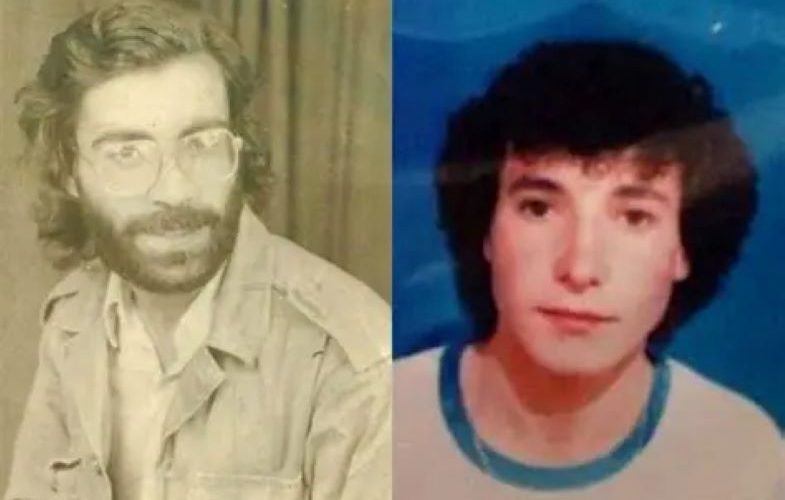
Djaffar Ouahioune and Kamel Ait Hamouda were killed in their high school just minutes apart.
Islamist terrorism in Algeria marked, for a decade, the contemporary history of the country. While the climate of terror caused the internal displacement of more than a million people, others decided to defy the ban. They stood up against Islamist terrorists.
Things to discover
Formed into Self-Defense Groups or Patriots, thousands of Algerians took up arms to fight against Islamist terrorists. Their supporting role alongside the security forces would be crucial. The price paid would also be too high. Some of them were killed in the bloom of youth. Djaffar Ouahioune and Kamel Ait Hamouda are among them.
The two comrades in struggle, both members of the RCD party (Rassemblement pour la culture la démocratie) and the MCB (Mouvement pour la culture berbère), worked at the same high school in Ath Yenni, in Kabylie. They faced armed groups several times, until May 10, 1997. On that day, Djaffar Ouahioune, a mathematics teacher, was completely lost in numbers and equations when, around 10:30 a.m., Islamist terrorists burst into the classroom. He was shot dead in front of his students. A few minutes later, his friend Kamel Aït Hamouda, an educational assistant, would suffer the same fate.
Djaffar Ouahioune was not just a teacher. He was a man of culture, a committed thinker, an tireless activist. He was the initiator of the magazine Tafsut –the Spring- in 1980, at the heart of the Berber Spring, this great identity awakening that continues to inspire us. He was one of the pillars of this movement. His voice mattered. His clear-eyed view of our society, his deep commitment to Amazigh culture, his courage to speak what others silenced, made him a respected, admired, and listened-to leader.
Fancy reading all the articles?
Unlock all articles straight away. No obligation.